During spring and into summer, the sun never sets in the northern fringes of Norway. Having 24 hours of light comes with its perk – when a bright, summery swell rolls through, you can surf, any time.
Under a midnight sun, surfing can feel a bit strange, especially as your body is slowing down for the evening. "It feels like the longest golden hour imaginable," said photographer Fredrikke Jerring. "The water stays cool, the days never end, and the crowds arrive with summer. The waves may be smaller, but the magic isn't."
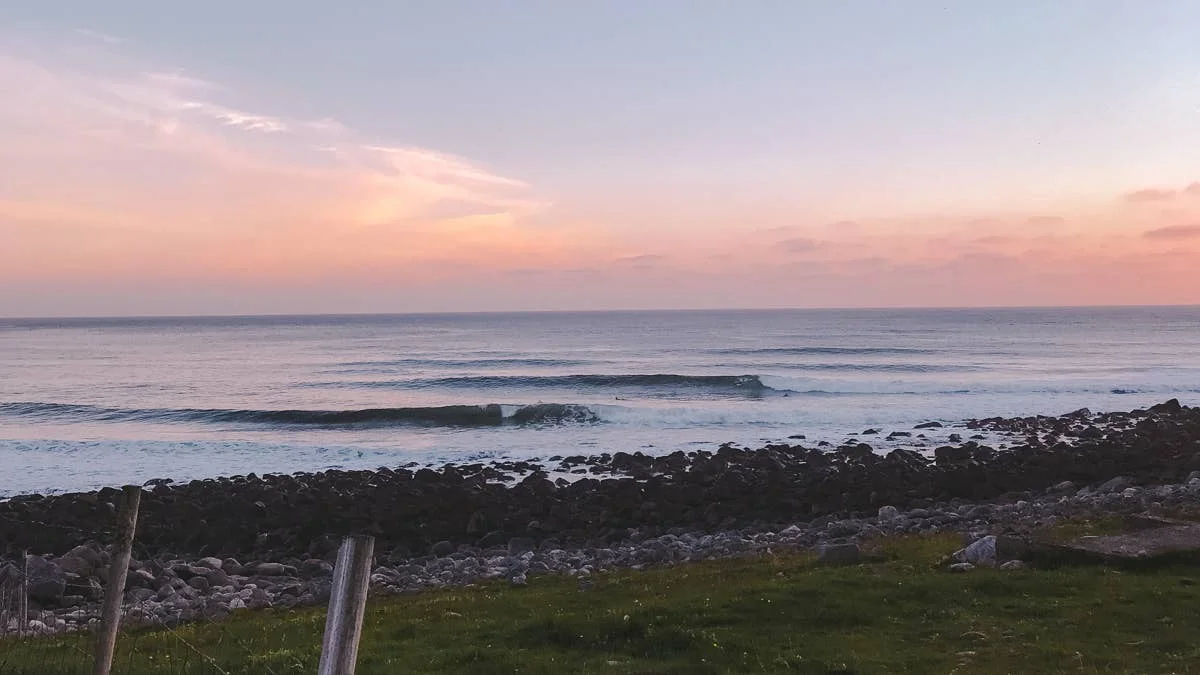
For surfers who make the mission to Lofoten, which houses Norway's most famous wave at Unstad, surfing waves all night is likely the reason they've hoofed it thousands of miles. For those who live here, it's just summer.
"I wouldn't say it feels completely normal to surf at midnight," said Suzie Slovakova, who moved to Lofoten from the Czech Republic nearly a decade ago. "After a few years you get used to it, but I still catch myself thinking how strange it is that most of the world is asleep while we're pulling on wetsuits."
There was something about the wilds of the Arctic and the addiction of cold-water that drew Suzie in and never really left her. A year later, she has moved to the area permanently.
Related: Inside Romania’s Unexpected Surf Revolution on the Black Sea
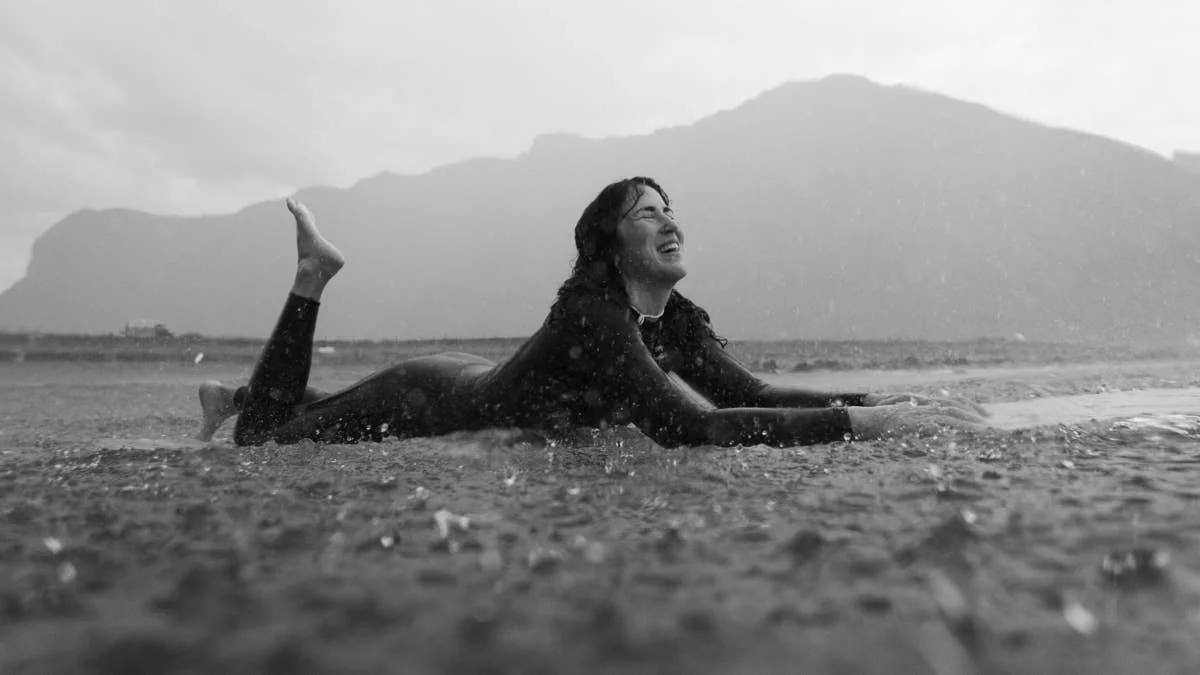
"A lot of people come here to experience surfing under the midnight sun," she said. "But for us locals, and by locals I mean people who moved here because there are almost no actual locals surfing, late nights and early mornings are often the best way to avoid the crowds."
Unstad's jagged mountain peaks glow under a lazy midnight hue, colouring the water in organge, pink and gold. "The sun is positioned perfectly," said Suzie. "The colours reflect off the waves and everything slows down. The whole vibe in the lineup changes. It's like everyone understands this is supposed to be sleeping time."
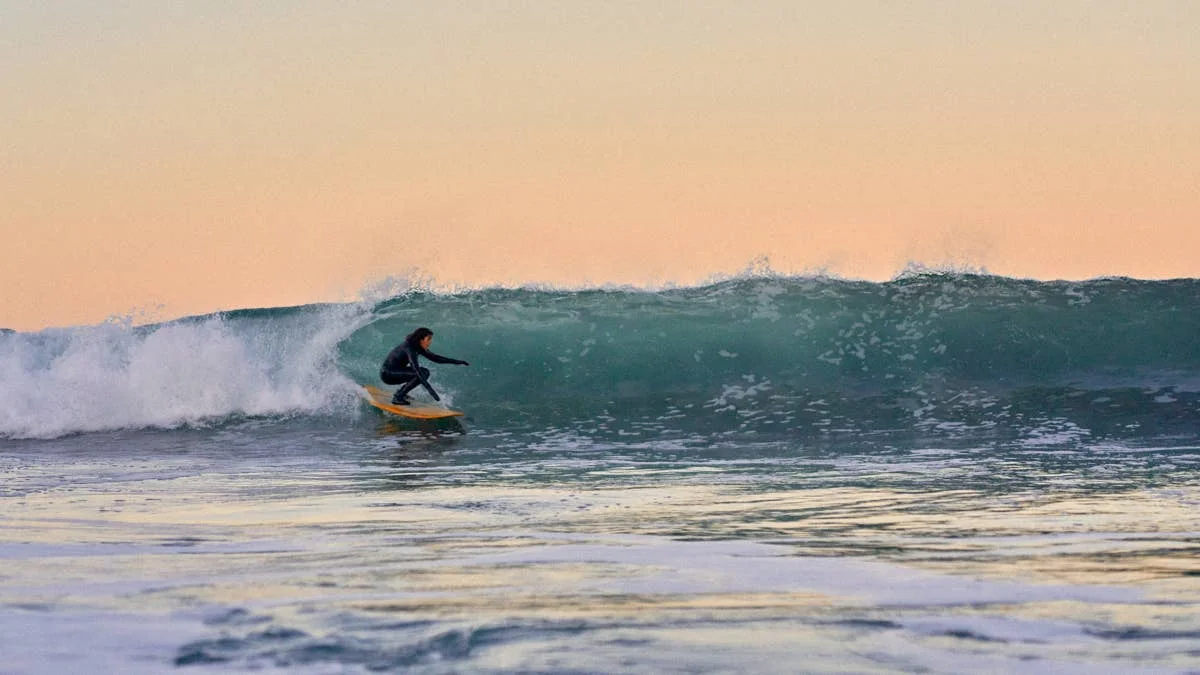
It's almost ethereal. And it's one element that surfer Erik Botner has come to appreciate after a decade living in Lofoten.
"Surfing at midnight feels surreal," he said. "You're out in the ocean in the middle of the night, but it looks and feels like late afternoon. The light is soft and golden, the mountains are glowing, and there's a calmness that makes the whole experience feel almost dreamlike."
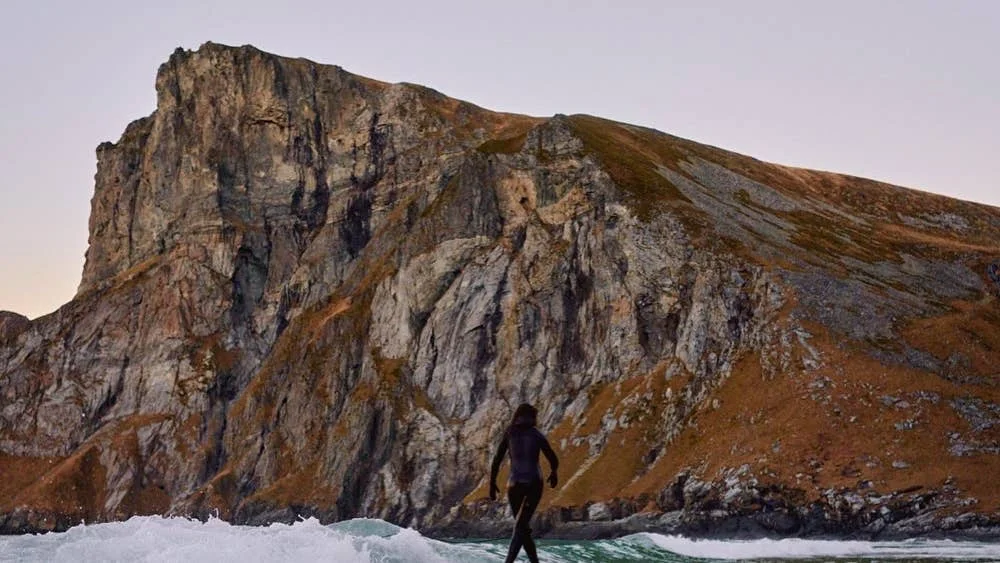
Now, to be clear, summer in the Arctic isn't prime surf season. The North Atlantic delivers its most powerful swells during winter. But summer often means smaller waves, lighter winds and long waits between decent, surfable swells.
Does the novelty of surfing at midnight top everything else? Maybe. The fact you can surf all day and all night is a unique experience. Rather than go for the swells, you go at the time to create an experience. Which is what surfing is about after all.
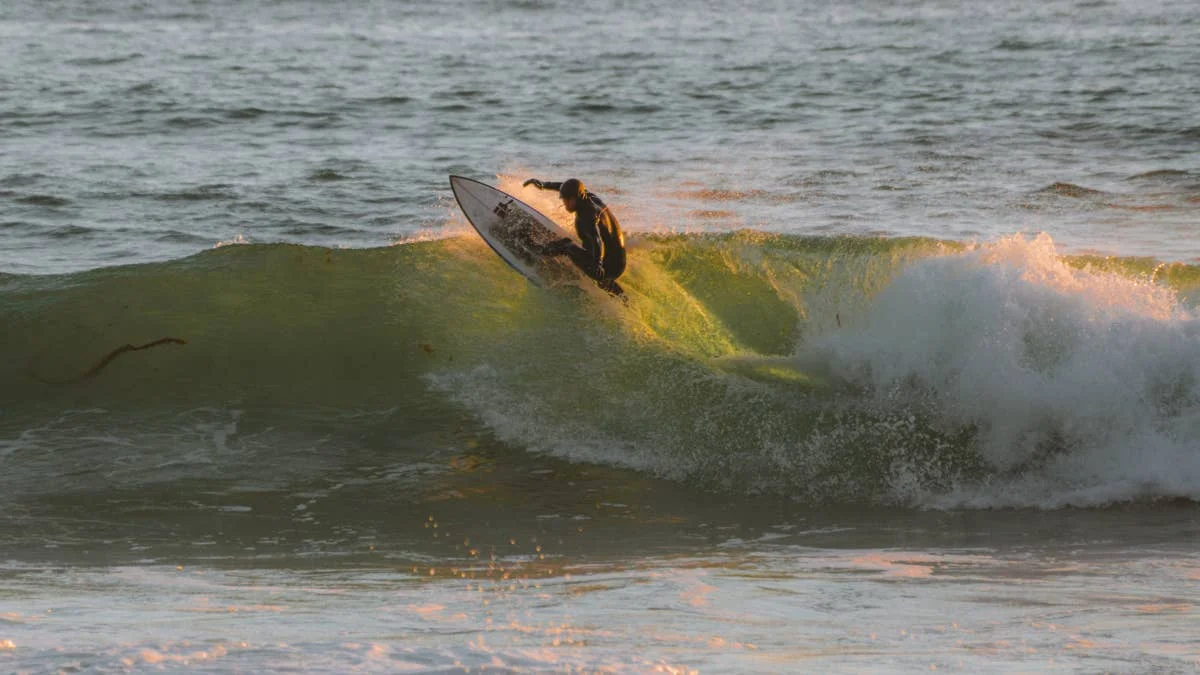
"We often plan sessions around the tides as much as the swell," said Erik. "You can surf from low tide into high tide and end up spending a huge amount of time in the water."
"I think most people who stay here long enough develop an unhealthy relationship with sleep during summer," said Suzie. "Including me. Surfing at midnight, running up mountain peaks at midnight, that's kind of my prime time. We joke that we save our sleep for winter."
It's of course, not how the human body works. Yet somehow, across Lofoten, people continue squeezing every possible adventure out of every possible hour until exhaustion finally catches them.
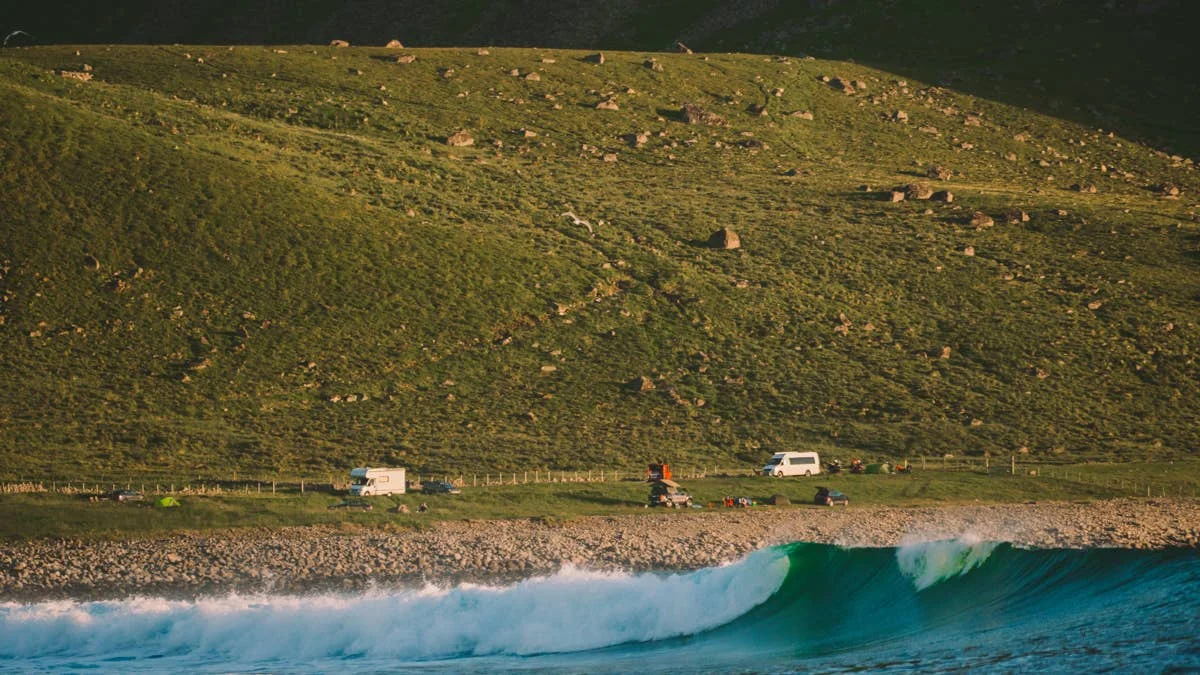
"The first couple of summers were definitely strange," said Erik. "But after ten years I've completely adapted. Good blackout curtains are essential. The constant daylight gives you energy. It makes it easier to stay active and spend time outdoors."
What's interesting is your normal schedule dissolves, evenings are mornings and vice versa. It changes your relationship with time, where your circadian rhythm beats in time with the ocean. The day never ends, and if there's surf, neither do the surfers.
Related: Inside Bulgaria’s Black Sea Surf Scene That Refuses to Quit